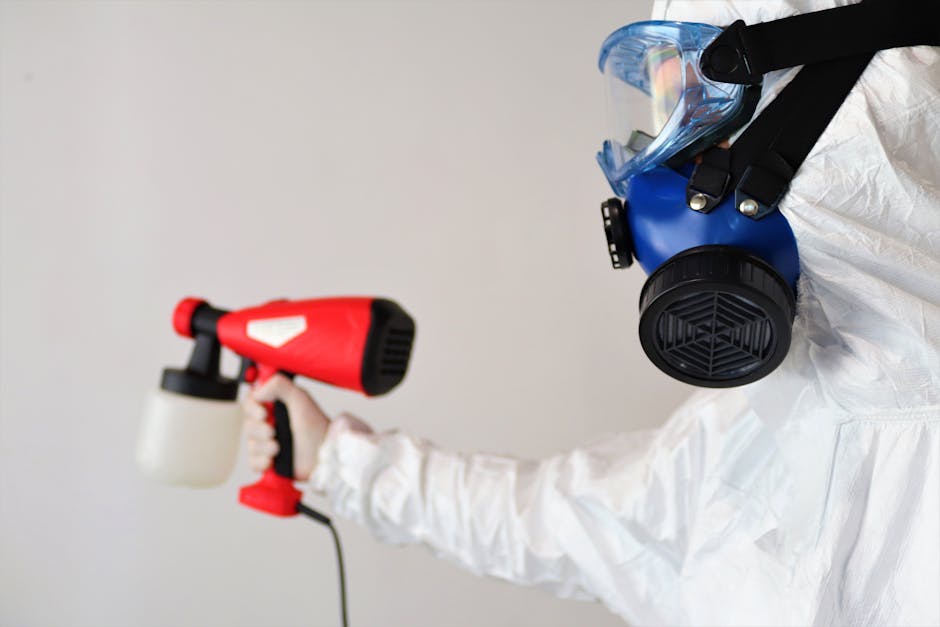
DIY vs professional black mold removal Cincinnati homeowners face is deciding how to tackle stubborn black mold infestations safely and effectively. While DIY methods may seem cost-effective, they often fail to address hidden mold growth, risking health hazards like respiratory issues and allergic reactions.
Professional mold remediation contractors in Cincinnati usually provide thorough inspections, advanced containment techniques, and proper disposal of contaminated materials to prevent cross-contamination. Homeowners attempting black mold removal without specialized equipment or training risk spreading spores and causing further structural damage.
Understanding the differences between DIY efforts and professional services helps property owners make informed decisions to protect their families and homes from the long-term consequences of untreated black mold.
Why It Matters in Cincinnati, OH
Cincinnati's humid climate and older housing stock create ideal conditions for black mold growth, making effective mold removal critical. Homeowners in Cincinnati should understand the risks of DIY black mold removal, which often misses hidden contamination and can worsen health hazards.
Professional contractors in Cincinnati use specialized equipment and methods to ensure thorough remediation, reducing the chance of recurring mold and structural damage. Choosing the right approach directly impacts indoor air quality and long-term property value in Cincinnati’s unique environmental context.
Understanding the Risks of Black Mold in Cincinnati Homes
Black mold poses significant health risks and structural damage concerns for homeowners in Cincinnati, OH. The region's humid climate creates an ideal environment for mold growth, particularly in basements, crawl spaces, and poorly ventilated areas.
Elevated humidity levels above 60% can accelerate the proliferation of black mold spores, increasing the likelihood of infestation.
Health risks associated with black mold exposure include respiratory issues, allergic reactions, and exacerbation of asthma symptoms. Cincinnati residents may experience symptoms such as coughing, sneezing, eye irritation, and chronic fatigue when exposed to significant mold presence.
Vulnerable populations, including children, elderly individuals, and those with compromised immune systems, face heightened risks from prolonged contact.
Structural damage is another critical concern. Black mold feeds on organic materials such as wood, drywall, and insulation commonly found in Cincinnati homes. Over time, unchecked mold growth can weaken these materials, leading to compromised building integrity and costly repairs.
Moisture intrusion from local weather patterns further exacerbates this risk by sustaining damp conditions favorable to mold colonization.
Key Factors Increasing Black Mold Risks in Cincinnati
- High humidity levels typical in Cincinnati’s climate
- Frequent rainfall contributing to moisture buildup indoors
- Poor ventilation in older or sealed homes
- Water leaks from plumbing or roofing issues
Homeowners looking to mitigate these risks should consider professional assessments to identify hidden mold sources and prevent health hazards and structural deterioration.
DIY Black Mold Removal: Methods, Effectiveness, and Limitations
DIY mold removal is a common initial approach for Cincinnati homeowners attempting to address black mold growth in their properties. Typical methods involve using household cleaning agents such as bleach solutions, vinegar, or commercial mold cleaners applied to affected surfaces.
While these agents can temporarily remove visible mold stains, they often fail to eradicate mold spores embedded in porous materials like drywall or wood, which can lead to recurrent mold growth.
Homeowners in Cincinnati should be aware that safety precautions are critical during any DIY mold remediation. Proper use of personal protective equipment—including respirators, gloves, and eye protection—is essential to minimize exposure to mold spores and toxic compounds released during cleaning.
Additionally, adequate ventilation and controlling humidity levels help reduce the risk of spreading spores throughout the home.
Limitations of DIY Mold Removal
- Incomplete Mold Removal: DIY techniques often miss hidden mold behind walls or under flooring, which requires specialized equipment to detect.
- Health Risks: Improper handling can exacerbate respiratory issues and allergic reactions, especially in sensitive individuals.
- Structural Concerns: Surface cleaning does not address underlying structural damage caused by prolonged mold infestation.
- Recontamination: Without addressing moisture sources, mold growth is likely to recur, negating initial cleanup efforts.
Overall, while DIY black mold removal methods may be suitable for small, contained areas in Cincinnati homes, their effectiveness is limited. Homeowners should weigh these constraints against the potential risks and consider professional assessment for extensive or persistent mold problems.
Common Mistake to Avoid
One common mistake Cincinnati homeowners make when addressing black mold removal is underestimating the complexity of mold growth behind walls or under flooring. Attempting diy mold methods without specialized equipment can leave hidden mold untreated, increasing health risks such as respiratory issues and worsening structural damage.
Recognizing when professional assessment is necessary is key to fully resolving contamination and preventing costly repairs.
Professional Black Mold Removal Services in Cincinnati: What to Expect
Professional mold removal companies in Cincinnati employ certified technicians trained to identify and remediate black mold infestations using industry-standard methods.
The remediation process typically begins with a thorough inspection to locate all areas of mold growth, including hidden mold behind walls or under flooring, which can pose ongoing health risks and contribute to structural damage if left untreated.
Following the inspection, professionals establish containment zones to prevent the spread of mold spores during cleanup. Specialized equipment such as HEPA air scrubbers and negative air machines are often utilized to maintain air quality and remove airborne contaminants.
The affected materials are then removed or treated with EPA-registered antimicrobials to eradicate active mold colonies and inhibit future growth.
Key Steps in the Professional Mold Remediation Process
- Inspection and Assessment: Detailed evaluation of affected areas using moisture meters and infrared cameras.
- Containment: Sealing off contaminated zones to prevent cross-contamination throughout the home.
- Removal and Cleaning: Safe extraction of mold-infested materials combined with thorough cleaning of surfaces.
- Air Filtration: Deployment of HEPA filters and air scrubbers to capture mold spores from the environment.
- Restoration: Repairs or replacement of damaged building components to return the home to safe conditions.
Cincinnati homeowners should expect professional services to comply with local regulations and industry guidelines such as those from the Institute of Inspection, Cleaning and Restoration Certification (IICRC). Engaging certified technicians ensures adherence to best practices, minimizing residual mold growth and reducing potential health hazards.
Overall, professional black mold removal provides a comprehensive solution beyond what most DIY efforts can achieve, addressing both visible contamination and underlying causes like elevated humidity levels common in Cincinnati homes.
Cost Comparison: DIY vs Professional Black Mold Removal in Cincinnati
When evaluating cost comparison for DIY versus professional black mold removal in Cincinnati, OH, homeowners should consider both immediate expenses and long-term value. DIY mold removal kits and supplies typically range from $20 to $150, depending on the size of the affected area and the type of cleaning agents used.
However, these lower upfront costs may not address hidden mold or prevent future mold growth, potentially leading to recurring health risks and structural damage.
Conversely, professional services in Cincinnati often charge between $500 and $6,000, reflecting the complexity of the job and the extent of contamination. While this represents a higher initial investment, professional contractors use specialized equipment and follow industry standards to thoroughly remove mold spores and remediate affected areas.
This comprehensive approach can mitigate ongoing health hazards and reduce the risk of costly repairs caused by prolonged exposure to black mold.
Key Factors in Cost and Value
- Scope of contamination: Larger or hidden infestations increase costs for both DIY and professional options.
- Equipment and materials: Professionals utilize advanced tools unavailable to typical homeowners.
- Time investment: DIY methods require significant homeowner effort, while professionals complete remediation more efficiently.
- Long-term prevention: Professional remediation often includes measures to control humidity levels, reducing future mold risks.
Ultimately, Cincinnati homeowners weighing a cost comparison should balance short-term savings against the potential for incomplete removal and persistent health issues. Getting matched with vetted contractors via a can provide transparent pricing and expert guidance tailored to specific mold concerns.
DIY vs Professional Black Mold Removal in Cincinnati, OH
| Option | Pros | Cons | Best For |
|---|---|---|---|
| DIY Mold Removal | Lower upfront costs, , basic tools required | Limited mold detection, incomplete removal risks, exposure to mold spores | Small, visible mold patches, low humidity areas, minor allergic reactions |
| Professional Mold Remediation | Comprehensive mold inspection, specialized equipment use, effective removal of hidden mold | Higher cost range ($500-$6,000), potential scheduling delays, requires homeowner access | Extensive mold growth, structural damage concerns, severe health hazards |
| Partial DIY with Professional Follow-up | Cost-effective initial control, professional confirmation, reduces extensive damage risk | Requires coordination, possible multiple interventions, may prolong total remediation time | Moderate mold presence, intermittent humidity issues, health-sensitive occupants |
| Preventive Maintenance Only | Minimizes mold growth risk, low ongoing cost, improves air quality | No mold removal performed, ineffective if mold already present, requires consistent effort | No current mold detected, high humidity homes, proactive homeowners |
Frequently Asked Questions
What are the main risks of attempting DIY black mold removal?
DIY black mold removal often involves exposure to mold spores without proper protective gear, increasing health risks like respiratory issues and allergic reactions. Incomplete removal can lead to hidden mold and ongoing structural damage, especially in Cincinnati homes with high humidity levels.
When should homeowners in Cincinnati consider professional mold remediation?
Homeowners in Cincinnati should seek professional mold remediation when black mold covers more than 10 square feet or when there is evidence of structural damage. Professionals use specialized equipment to detect hidden mold and mitigate health hazards effectively.
How does professional mold removal improve indoor air quality?
Professional mold removal reduces airborne mold spores by thoroughly cleaning affected areas and employing air filtration systems. This process lowers health risks, including allergic reactions, and helps maintain safe humidity levels, which are crucial for preventing future mold growth.
Are there limitations to DIY methods for black mold cleanup?
DIY methods often fail to address hidden mold behind walls or under flooring. They typically lack the specialized equipment needed for complete remediation, risking ongoing mold growth, persistent health hazards, and potential structural damage.
What factors influence the cost difference between DIY and professional removal?
Cost differences depend on the extent of mold growth, need for specialized equipment, and potential repairs. While DIY may seem cheaper upfront, professional services often prevent costly future issues related to structural damage and persistent health risks.
Deciding between DIY mold removal and hiring professional mold remediation in Cincinnati, OH requires careful consideration of the health risks, extent of mold growth, and potential structural damage.
While DIY methods may address small areas under 10 square feet, persistent or hidden mold often demands specialized equipment and expertise to ensure thorough remediation and prevent recurrence.
Homeowners in Cincinnati looking to protect their property and well-being should consult with local experts. Get matched with vetted Mold Remediation in Cincinnati, OH via our -matching form to explore reliable options tailored to your needs.