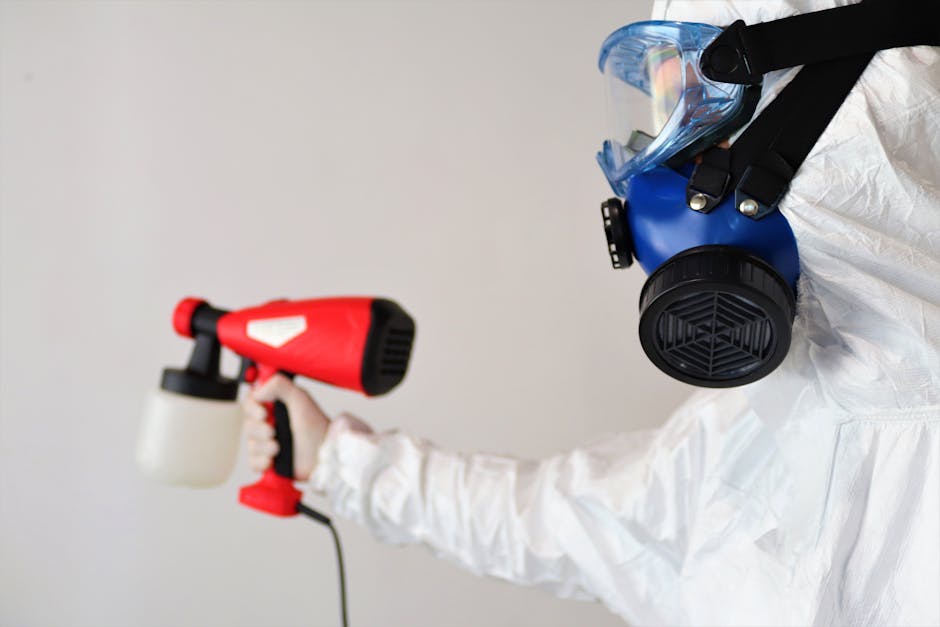
The mold remediation process Cincinnati homeowners face can be daunting due to the city's humid climate and older building stock. Persistent mold growth often leads to health risks like respiratory issues and can cause extensive structural damage if left untreated.
Identifying the source of moisture and understanding the detailed steps involved in remediation are critical to restoring indoor air quality and preventing recurrence. Professional companies in Cincinnati typically follow a thorough containment, removal, and cleaning protocol tailored to the severity of contamination.
Homeowners looking for effective solutions should expect a multi-stage process that includes inspection, mold testing, and removal of affected materials. Getting matched with vetted contractors via a can help navigate this complex process, ensuring proper handling of mold spores and adherence to local environmental standards.
Quick Takeaways
- Mold remediation in Cincinnati involves inspection, containment, removal, cleaning, and restoration steps to address mold contamination.
- Professional contractorsspecialized equipment and techniques to prevent mold spread and ensure thorough removal.
- Moisture control and source identification are critical to prevent future mold growth after remediation.
- Costs vary widelyinfestation extent, affected materials, and property size.
- Cincinnati homeownersmulti-step process that prioritizes safety, containment, and structural integrity.
Identifying Mold Problems in Cincinnati Homes and Buildings
In Cincinnati, Ohio, the local climate significantly influences the development of mold growth in residential and commercial structures. The region's high humidity levels, especially during spring and summer months, create an environment conducive to persistent moisture accumulation.
This moisture often infiltrates vulnerable areas such as basements and attics, where inadequate ventilation and insulation can exacerbate mold proliferation.
Common signs that Cincinnati homeowners should watch for include visible discoloration on walls or ceilings, musty odors that linger despite cleaning efforts, and unexplained health symptoms linked to mold exposure.
In particular, basements with water seepage or dampness after rainfall and attics with roof leaks are frequent sites of hidden mold colonies. Recognizing these indicators early is crucial to preventing extensive structural damage and indoor air quality issues.
Key Indicators of Mold Problems in Cincinnati Properties
- Persistent dampness: Areas with chronic moisture due to humidity or leaks, especially in basements and crawl spaces.
- Visible mold patches: Black, green, or white spots appearing on porous materials such as drywall, wood, or ceiling tiles.
- Musty odors: Lingering smells that intensify in enclosed spaces like attics or closets.
- Water stains or discoloration: Yellow or brown marks signaling water intrusion that often precedes mold growth.
- Health symptoms: Respiratory irritation, allergic reactions, or headaches experienced by occupants without other causes.
Understanding these specific conditions helps Cincinnati homeowners identify potential mold issues before they escalate. Professional assessments often confirm these findings, but initial recognition is essential for timely intervention and effective remediation.
Step-by-Step Mold Inspection and Assessment Process in Cincinnati
Professional mold inspection in Cincinnati typically begins with a thorough visual examination of the property to identify visible mold growth, water stains, and signs of moisture intrusion.
Inspectors use specialized moisture meters to detect elevated moisture levels behind walls, under flooring, and in crawl spaces, which are common sources of hidden mold development.
Air quality testing is another critical step in the assessment process. This method measures airborne mold spores and other contaminants, providing a quantitative analysis of indoor air conditions. Such testing helps differentiate between normal background mold levels and those indicative of an active infestation requiring remediation.
Key Steps in Cincinnati Mold Inspection and Assessment
- Initial Visual Survey: Identification of visible mold, water damage, and musty odors throughout the property.
- Moisture Mapping: Use of moisture meters and thermal imaging cameras to locate hidden damp areas encouraging mold growth.
- Air Sampling: Collection of air samples for laboratory analysis to quantify spore concentration and identify mold species.
- Material Sampling: Swab or tape lift samples taken from affected surfaces to confirm mold presence and severity.
- Assessment Report: Compilation of findings detailing the extent of contamination, affected materials, and recommended remediation scope.
This systematic approach ensures Cincinnati homeowners receive a comprehensive evaluation of both visible and hidden mold issues. Accurate assessment using advanced tools like moisture meters and air quality testing is essential for developing an effective remediation plan that addresses structural damage risks and improves overall indoor air quality.
Common Mistake to Avoid
One common mistake Cincinnati homeowners make during the mold remediation process is attempting to remove visible mold without addressing the underlying moisture sources. This oversight often leads to recurring mold growth and persistent indoor air quality issues.
Proper remediation requires thorough identification and correction of water damage and damp areas, such as crawl spaces or leaks, to prevent hidden mold from spreading and causing further structural damage.
Effective Mold Containment and Removal Techniques Used in Cincinnati Remediation
Local mold remediation contractors in Cincinnati often implement specialized containment strategies to prevent the spread of mold spores during the removal process. These containment methods typically involve isolating affected areas using plastic sheeting and creating negative air pressure environments.
Negative pressure containment helps ensure that airborne mold spores do not migrate to unaffected parts of the home, which is critical given Cincinnati’s humid climate that can exacerbate mold growth.
High-efficiency particulate air (HEPA) filters are commonly employed within containment zones to capture microscopic mold spores. Cincinnati remediation professionals usually utilize HEPA-filtered air scrubbers to continuously clean the indoor air, significantly reducing airborne contaminants and improving overall indoor air quality.
This filtration is essential to protect both the home’s occupants and unaffected building materials from cross-contamination.
Common Mold Removal Techniques in Cincinnati Homes
- Physical removal: Scraping, sanding, or vacuuming affected surfaces to eliminate visible mold and contaminated materials.
- HEPA vacuuming: Specialized vacuums equipped with HEPA filters to remove loose mold spores from structural components and flooring.
- Antimicrobial treatments: Application of EPA-registered fungicides and biocides to inhibit further mold growth on cleaned surfaces.
- Material disposal: Safe removal and disposal of porous materials, such as drywall or insulation, that are extensively damaged by mold.
These techniques are tailored to the specific conditions found in Cincinnati homes, where moisture intrusion and humidity levels require thorough containment and effective removal. Professional remediation companies in the area prioritize these methods to minimize health risks and structural damage while restoring safe living environments.
Post-Remediation Cleaning and Prevention Tips for Cincinnati Property Owners
After successful post-remediation efforts, Cincinnati property owners should prioritize thorough cleaning protocols to eliminate residual mold spores and improve indoor air quality. This involves detailed cleaning of all affected surfaces using EPA-registered antimicrobial cleaners and HEPA-filter vacuums designed to capture microscopic particles.
Proper disposal of contaminated materials and protective gear is also essential to prevent cross-contamination during the cleanup process.
Effective prevention strategies are critical in Cincinnati’s humid climate, where moisture accumulation often triggers recurrent mold growth. Homeowners should focus on controlling indoor humidity levels, ideally maintaining them below 50% using dehumidifiers or HVAC systems with humidity control features.
Regular inspection of crawl spaces, basements, and other moisture-prone areas can identify early signs of water intrusion or condensation before extensive damage occurs.
Key Prevention Tips for Cincinnati Properties
- Ventilation: Ensure adequate airflow in bathrooms, kitchens, and laundry rooms through exhaust fans or window openings.
- Moisture Barriers: Use vapor barriers in crawl spaces and basements to reduce ground moisture penetration.
- Roof and Gutter Maintenance: Regularly inspect and clean gutters to prevent water accumulation near the foundation.
- Prompt Repairs: Address plumbing leaks, roof damage, and foundation cracks immediately to minimize water infiltration.
- Humidity Monitoring: Utilize hygrometers to track indoor humidity and adjust dehumidification accordingly.
Cincinnati property owners seeking to maintain a mold-free environment should consider engaging with local professionals for routine assessments and remediation follow-ups. Getting matched with vetted contractors via a can help ensure adherence to industry best practices tailored to the region’s unique environmental challenges.
Mold Remediation Process in Cincinnati: Step-by-Step Cost and Timeline Breakdown
| Service Type | Cost Range | Typical Timeline |
|---|---|---|
| Initial Mold Inspection and Testing | $200 - $600 | 1 - 2 days |
| Containment Setup and Air Filtration | $300 - $800 | 1 day |
| Removal of Mold-Infested Materials | $500 - $3,000 | 2 - 5 days |
| Surface Cleaning and Mold Treatment | $400 - $1,200 | 1 - 3 days |
| Post-Remediation Verification and Clearance Testing | $150 - $400 | 1 day |
Frequently Asked Questions
How long does mold remediation typically take in Cincinnati homes?
Local mold remediation projects in Cincinnati usually last between 1 and 5 days, depending on the extent of mold growth and affected materials. Smaller jobs often complete within 1 to 3 days, while more extensive contamination in crawl spaces or hidden areas may extend the timeline.
What factors influence the cost of mold remediation?
Mold remediation costs vary based on size of the affected area, severity of mold growth, and the materials needing removal or treatment. Additional elements like humidity control measures and containment methods also impact pricing. Homeowners should anticipate a range between $500 and $3,000 for typical Cincinnati projects.
Can mold return after remediation is completed?
Mold recurrence is possible if underlying issues such as moisture intrusion or elevated humidity levels are not addressed. Proper post-remediation cleaning and ongoing humidity control are essential to reduce risks. Cincinnati's humid climate necessitates vigilant maintenance to prevent new mold growth.
Is it necessary to vacate the home during mold remediation?
Whether homeowners must vacate depends on the scope of mold contamination. For minor cases, residents can often remain with precautions. However, extensive mold removal involving strong cleaning agents or containment zones may require temporary relocation to avoid exposure to airborne mold spores.
How do professionals identify hidden mold during inspection?
Mold inspectors typically use moisture meters, infrared cameras, and thorough visual assessments to detect hidden mold. These tools reveal dampness behind walls or under flooring where visible mold is absent. Accurate detection helps guide effective remediation strategies and prevent further structural damage.
Understanding the mold remediation process in Cincinnati is essential for protecting indoor air quality and preventing structural damage caused by persistent mold growth. Cincinnati's humid climate necessitates professional attention to effectively address hidden mold, moisture intrusion, and affected materials.
Homeowners should expect a detailed approach involving inspection, containment, removal, and post-remediation cleaning to restore safety and comfort.
Get matched with vetted Mold Remediation in Cincinnati, OH via our -matching form to connect with local experts ready to assist with comprehensive and reliable solutions tailored to your property’s needs.