Mold remediation regulations Ohio homeowners face can be complex and confusing, especially in cities like Cincinnati where humidity and aging buildings increase the risk of mold growth. Failure to comply with state and local standards may result in health hazards such as respiratory issues and costly property damage.
Understanding the specific rules governing mold removal, including proper containment, disposal, and clearance testing, is crucial for protecting your home and family. Professional companies in Cincinnati usually follow strict guidelines established by Ohio's environmental agencies to ensure effective and safe remediation.
Homeowners looking for reliable information on mold remediation regulations Ohio should expect to navigate a framework designed to minimize risks while promoting thorough cleanup. Knowing these regulations and standards helps prevent incomplete removal, reduces liability, and ensures compliance with local building codes.
Quick Takeaways on Mold Remediation Regulations in Cincinnati, OH
- Ohio mold remediation standards emphasize proper containment and removal techniques to prevent cross-contamination during cleanup.
- Cincinnati homeowners should be aware that state guidelines require licensed contractors for significant mold issues, ensuring compliance with health and safety codes.
- Testing and clearance procedures are integral, with post-remediation verification commonly mandated to confirm effective mold removal.
- Documentation and record-keeping of the remediation process help meet Ohio regulations and support insurance claims when applicable.
- Local contractors in Cincinnati typically follow EPA recommendations alongside state rules to address the unique humidity and building materials challenges in the region.
Overview of Mold Remediation Regulations in Ohio
Mold remediation regulations in Ohio are primarily overseen by the Ohio Environmental Protection Agency (EPA) and the Ohio Department of Health. These agencies establish guidelines to ensure that mold removal is conducted safely and effectively, minimizing risks such as airborne spore contamination and structural damage.
While Ohio does not have an extensive statewide licensing mandate for mold remediation contractors, these entities provide critical oversight on remediation practices and enforce standards to protect public health.
The Ohio EPA focuses on environmental concerns related to mold growth, especially in buildings affected by water intrusion or flooding. This includes addressing potential indoor air quality hazards and ensuring that proper containment and disposal methods are followed.
Meanwhile, the Ohio Department of Health provides guidance on health risks associated with mold exposure and supports educational efforts to inform homeowners and professionals about safe mold remediation procedures.
In metropolitan areas like Cincinnati, OH, local agencies may supplement state regulations with additional requirements or recommendations. Homeowners should be aware that while Ohio’s regulatory framework sets foundational standards, compliance often depends on following industry best practices and adhering to guidelines issued by these state agencies.
Key Regulatory Considerations for Ohio Mold Remediation
- Environmental protection: Ohio EPA mandates proper containment to prevent cross-contamination during remediation.
- Health risk management: Ohio Department of Health advises on minimizing occupant exposure to mold spores.
- Waste handling: Regulations require safe disposal of mold-infested materials to avoid environmental hazards.
- Disclosure requirements: Some local ordinances may require disclosure of mold presence during property transactions.
Licensing and Certification Requirements for Mold Remediation Professionals in Ohio
In Ohio, companies and individuals engaged in mold remediation must obtain an Ohio Mold Remediation Contractor License issued by the Ohio Department of Health. This mandatory licensing ensures that professionals adhere to state-mandated safety standards and follow approved procedures for mold removal and containment disposal.
Contractors operating in cities like Cincinnati, OH, are required to maintain this license to legally perform remediation work.
The licensing process typically requires applicants to complete specific certification programs recognized by the Ohio Department of Health. These programs cover crucial topics such as proper containment techniques, prevention of cross-contamination during mold remediation, and compliance with the Ohio Environmental Protection Agency guidelines.
Additionally, certified professionals must demonstrate knowledge of health risks associated with mold growth and the proper use of personal protective equipment.
Key Licensing and Certification Requirements
- Ohio Mold Remediation Contractor License: Mandatory for all companies performing mold remediation in Ohio.
- Certified Mold Remediator Training: Completion of an approved training program covering state regulations and safety protocols.
- Compliance with Ohio Department of Health Rules: Adherence to ongoing education and operational standards.
- Proper Documentation: Maintaining records of mold assessments, remediation plans, and disposal methods as required by state law.
Homeowners looking for mold remediation services in Ohio should expect contractors to hold these licenses and certifications. This licensing framework helps ensure that remediation professionals perform work safely, minimizing risks of water damage, structural deterioration, or further mold growth.
Using licensed contractors also supports compliance with broader remediation regulations that protect public health and property value throughout Ohio.
Ohio Mold Remediation Standards: Procedures and Safety Protocols
Ohio mold remediation standards require strict adherence to containment procedures designed to prevent the spread of mold spores during removal. Professional companies in Cincinnati typically implement physical barriers such as plastic sheeting and negative air pressure systems to isolate the affected area.
These measures are critical for minimizing cross-contamination and protecting unaffected portions of the property from mold growth.
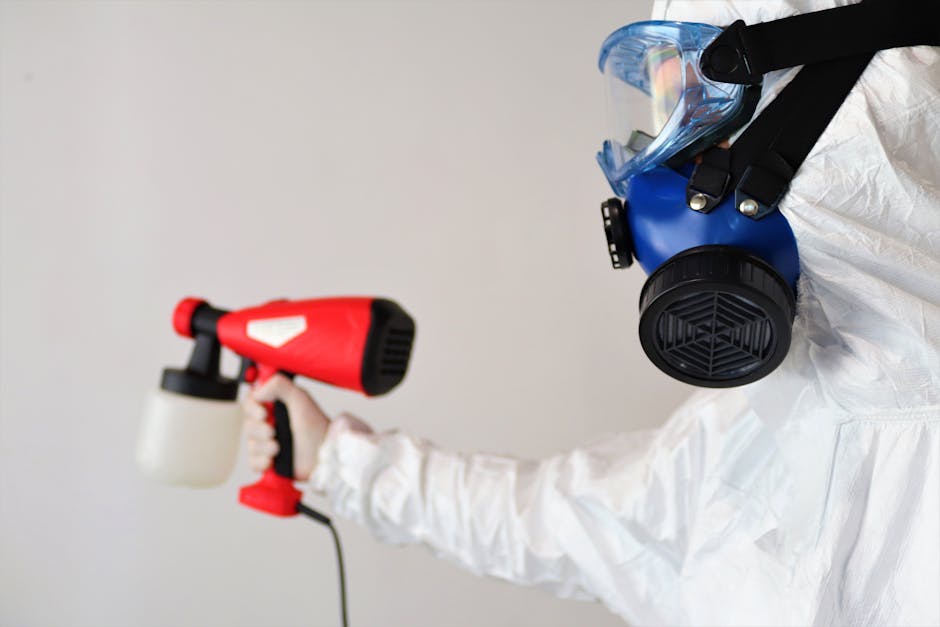
Personal protective equipment (PPE) is mandated for all workers performing mold removal tasks. This includes respirators, gloves, eye protection, and disposable coveralls to safeguard against exposure to airborne spores and contaminated materials.
The Ohio Department of Health emphasizes the importance of proper PPE use to reduce health risks associated with mold remediation activities.
Key Ohio Mold Remediation Safety Protocols
- Containment Setup: Establish sealed work zones using plastic barriers and maintain negative air pressure to control spore migration.
- Personal Protective Equipment: Use N95 or higher-grade respirators, gloves, goggles, and protective clothing throughout the remediation process.
- Debris Handling: Remove contaminated materials carefully, sealing waste in appropriate containers for safe disposal per Ohio Environmental Protection guidelines.
- Air Quality Testing: Conduct pre- and post-remediation air sampling to assess spore concentrations and verify effective mold removal.
- Ventilation Controls: Ensure HVAC systems are shut off or protected to prevent mold spores from spreading during remediation.
Homeowners looking for mold remediation in Ohio should expect these procedural standards to be followed closely. Proper containment, use of certified PPE, and comprehensive air quality testing are foundational to meeting remediation regulations and ensuring a safe indoor environment after mold removal.
Frequently Asked Questions
What factors influence the cost of mold remediation in Ohio?
The cost of mold remediation in Ohio varies based on mold growth extent, affected materials, and required containment measures. Homeowners should expect higher expenses when water damage is extensive or when specialized disposal methods are necessary to prevent cross-contamination.
Are there specific containment requirements during mold removal in Cincinnati?
Yes, Cincinnati mold remediation contractors must follow strict containment protocols to prevent air quality degradation and cross-contamination. Proper use of barriers, negative air pressure, and controlled disposal procedures are standard to comply with Ohio mold remediation standards.
How can homeowners verify a mold remediation contractor’s compliance with Ohio regulations?
Homeowners looking for mold remediation services should confirm that contractors hold an Ohio Mold Remediation Contractor License. Verification through the Ohio Department of Health ensures adherence to remediation regulations and use of approved procedures and safety protocols.
What health risks are associated with improper mold remediation?
Improper mold remediation can lead to persistent mold growth, poor air quality, and increased health risks such as respiratory issues and allergic reactions. Cincinnati residents should engage professionals following Ohio environmental protection standards to minimize these hazards.
Is mold testing required before or after remediation in Ohio?
Mold testing is not always mandated but is often recommended to assess the extent of contamination and verify successful removal. Professional companies in Ohio typically perform pre- and post-remediation testing to ensure compliance with Ohio mold remediation standards and safeguard indoor air quality.
Understanding mold remediation regulations in Ohio is essential for homeowners in Cincinnati, OH to address mold growth effectively while ensuring compliance with state standards. Engaging with certified remediation contractors helps mitigate health risks and guarantees adherence to proper containment and remediation procedures outlined by the Ohio Department of Health.
Homeowners looking to resolve mold issues should seek professional assessments and quotes. Get matched with vetted Mold Remediation in Cincinnati, OH via our -matching form to connect with qualified experts equipped to handle Ohio mold remediation safely and efficiently.