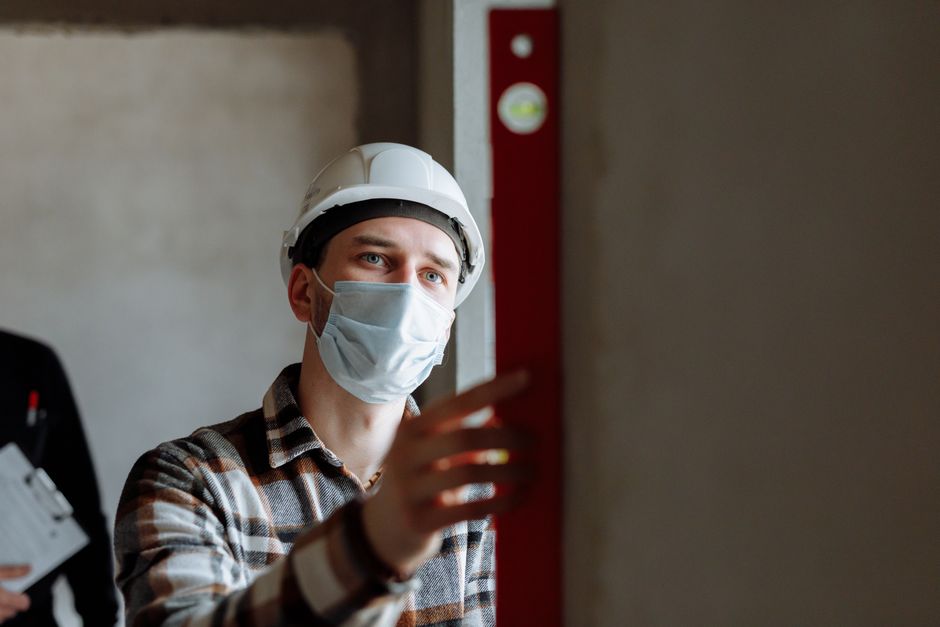
The professional mold inspection process Cincinnati homeowners rely on is crucial for identifying hidden mold growth and preventing extensive water damage. Many properties in Cincinnati face challenges like high humidity and older building materials, increasing the risk of mold contamination.
Understanding what to expect during a mold inspection helps homeowners prepare for thorough assessments involving visual checks, moisture measurements, and air or surface sampling. These inspections aim to detect both visible and concealed mold colonies that could threaten indoor air quality and structural integrity.
Professional companies in Cincinnati usually follow industry standards to ensure accurate results and tailored recommendations. Homeowners looking for reliable mold inspections should expect detailed reports highlighting problem areas and potential health risks.
Being informed about this process empowers property owners to make educated decisions about remediation and maintenance, minimizing long-term costs and health concerns associated with unchecked mold problems.
Why It Matters in Cincinnati
Understanding the professional mold inspection process is especially important in Cincinnati, OH, where the region’s humid climate and frequent rainfall create ideal conditions for mold growth. Cincinnati homes often face challenges with basement moisture and poor ventilation, increasing the risk of hidden mold infestations.
Early identification through a thorough inspection can prevent costly water damage, structural deterioration, and health issues related to mold exposure. Homeowners in Cincinnati should prioritize understanding what to expect during an inspection to ensure their properties remain safe and mold-free.
Step-by-Step Overview of the Professional Mold Inspection Process in Cincinnati Homes
Local mold inspection contractors in Cincinnati begin the process with a thorough home assessment, focusing on areas prone to water damage and hidden mold. Inspectors typically examine basements, crawl spaces, attics, and bathrooms to identify visible signs of mold growth and moisture intrusion.
Following the initial assessment, professionals often deploy specialized tools to detect less obvious mold contamination. This phase may include moisture meters, thermal imaging cameras, and air sampling devices to evaluate the extent of mold spores present in the indoor environment.
These techniques help reveal hidden mold behind walls or under flooring common in Cincinnati homes.
Typical Phases of a Cincinnati Mold Inspection
- Visual Examination: Identifying visible mold colonies, water stains, and structural issues related to water damage.
- Moisture Detection: Using tools to measure humidity levels and pinpoint damp areas conducive to mold growth.
- Sampling and Testing: Collecting air or surface samples for laboratory analysis to determine the type and concentration of mold spores.
- Report Generation: Compiling findings into a detailed document outlining affected areas, risk factors, and recommended remediation steps.
This comprehensive approach ensures that homeowners in Cincinnati receive an accurate evaluation of their property's condition. Understanding each step allows for better preparation and informed decision-making when addressing potential mold issues.
Common Tools and Techniques Used by Cincinnati Mold Inspectors
Local mold inspectors in Cincinnati utilize a variety of specialized tools and techniques to identify hidden mold and assess mold growth conditions accurately. One of the primary instruments is the moisture meter, which helps detect elevated moisture levels in building materials such as drywall, wood, and insulation.
Since excess moisture often precedes mold contamination, this tool is vital for pinpointing potential problem areas that may not be visibly affected.
Air sampling devices represent another crucial technique used by Cincinnati professionals. These devices collect airborne mold spores to analyze their concentration and species diversity within indoor environments. This method complements surface inspections by revealing hidden mold colonies that may not be apparent during a visual assessment.
Results from air samples provide objective data that help determine the extent of mold issues and guide remediation strategies.
Additional Tools and Methods Commonly Employed
- Infrared cameras: Detect temperature differences indicating moisture intrusion behind walls or ceilings.
- Surface sampling kits: Collect mold samples from visible growth for laboratory identification.
- Borescopes: Allow visual inspection inside wall cavities without demolition.
- Humidity gauges: Monitor indoor relative humidity levels contributing to mold growth risks.
Professional companies in Cincinnati typically combine these advanced tools and techniques to form a comprehensive understanding of a home's condition. This multifaceted approach ensures that water damage and mold colonies are detected early, minimizing the health risks and structural problems associated with unchecked mold growth.
What Homeowners Should Do to Prepare for a Mold Inspection in Cincinnati
Cincinnati homeowners preparing for a mold inspection should prioritize creating clear access to key areas where mold growth is likely to develop. This includes spaces such as basements, crawl spaces, attics, and behind appliances.
Clearing clutter and moving furniture away from walls allows inspectors to conduct thorough surface sampling and visual assessments without obstruction.
Ensuring proper ventilation by opening windows and doors can assist in achieving accurate air sampling results, which are critical for detecting airborne mold spores. Cincinnati residents should also document any recent or recurring issues with water damage or visible mold colonies, as this information helps inspectors focus on high-risk zones.
Additional Preparation Steps for Homeowners
- Turn off HVAC systems prior to inspection to avoid interference with air quality measurements.
- Avoid cleaning or disturbing suspected mold areas to preserve the integrity of samples and evidence.
- Provide access to plumbing and drainage areas where leaks may contribute to hidden mold development.
- Inform inspectors of any past remediation efforts or ongoing moisture problems.
By following these inspection preparation steps, Cincinnati homeowners can facilitate a more effective evaluation process. Proactive preparation not only aids in identifying existing mold contamination but also supports long-term mold prevention strategies tailored to local environmental conditions and building materials common in Cincinnati, OH.
Frequently Asked Questions
What areas of the home are typically inspected for mold?
Local mold inspection contractors usually focus on areas prone to water damage and hidden mold, such as basements, crawl spaces, bathrooms, and around windows. They also assess building materials for signs of mold colonies and elevated mold spores levels, ensuring thorough evaluation of potential mold contamination.
How do inspectors determine if mold is present without visible signs?
Cincinnati mold inspectors often use air sampling and surface sampling techniques to detect mold spores and mold growth in areas lacking visible evidence. These methods help identify hidden mold behind walls or under flooring, reducing the risk of overlooked mold contamination.
Will the inspection process damage my home?
Professional inspections in Cincinnati generally avoid causing damage by using non-invasive tools and methods. Inspectors may carefully remove small sections of drywall or flooring only when necessary to access suspected mold colonies. This approach minimizes disruption while ensuring accurate detection of mold growth.
How long does a typical mold inspection take?
The duration varies depending on home size and complexity, but local experts usually complete inspections within 1 to 3 hours. This timeframe allows thorough examination of all relevant areas, including collection of air and surface samples, to assess mold contamination risks accurately.
What should homeowners do after the mold inspection?
Cincinnati homeowners should review the inspection report carefully, which details findings related to mold spores, affected building materials, and potential sources of water damage. Based on this information, they can seek professional remediation services to address identified mold colonies and prevent further mold growth.
Homeowners in Cincinnati should expect a comprehensive evaluation targeting potential hidden mold and water damage sources within their properties. The inspection typically involves surface sampling, air sampling, and detailed observation of basements, crawl spaces, and areas behind walls where mold colonies often develop unnoticed.
For those seeking to address mold contamination effectively, contacting local Cincinnati mold inspection services is essential. Get matched with vetted Mold Remediation in Cincinnati, OH via our -matching form to connect with qualified professionals ready to assist.